

Understanding the psychology behind gambling behaviors and decision-making
The Role of Cognitive Biases in Gambling
Cognitive biases play a significant role in gambling behaviors, influencing how players perceive risk and reward. One prevalent bias is the illusion of control, where individuals believe they can influence the outcome of games of chance. This misconception can lead to overconfidence and increased betting, as players often think that their skills can override randomness. Furthermore, if you’re looking to engage with online gaming, you can find out more with a golden pharaoh casino login.

Additionally, the availability heuristic can impact decision-making, where people recall vivid experiences, such as a big win, and overestimate the likelihood of similar outcomes. This can create a cycle of hope and repeated gambling, even when the odds are stacked against them.
The Influence of Emotions on Gambling Decisions
Emotions can profoundly affect gambling behaviors, often leading to impulsive decisions. For instance, individuals may gamble more when feeling excited or euphoric, believing that good fortune accompanies positive feelings. Conversely, negative emotions like stress or depression can drive individuals to gamble as a form of escape, further complicating their decision-making.
This emotional rollercoaster can create a dangerous feedback loop where gambling becomes a coping mechanism, leading to greater financial loss and emotional distress. Understanding this link between emotions and decision-making is crucial for recognizing unhealthy gambling patterns.
The Impact of Social Factors on Gambling Behavior
Social influences are another critical aspect of gambling behavior. Peer pressure can encourage individuals to participate in gambling activities, especially in social settings like casinos or sports events. This social acceptance can normalize gambling and may lead to increased participation, even among those who might not typically engage in such behaviors.
Moreover, the presence of others can alter an individual’s perception of risk. When surrounded by enthusiastic peers, individuals may feel more emboldened to gamble, often disregarding their financial limits. Social dynamics play a vital role in shaping gambling behaviors and decision-making processes.
The Role of Marketing and Promotions in Gambling Decisions
Marketing strategies employed by casinos and online gambling platforms significantly influence player behavior. Promotions, bonuses, and advertisements often create a sense of urgency, encouraging individuals to gamble more than they initially planned. These tactics can effectively manipulate perceptions of value and opportunity, leading players to take risks they might typically avoid.
Furthermore, the appeal of loyalty programs can create a psychological commitment, making it challenging for individuals to walk away from gambling. The promise of rewards can enhance a player’s experience but can also contribute to problematic gambling behaviors as players chase losses to achieve the perceived benefits of loyalty programs.
Exploring Online Gambling Platforms
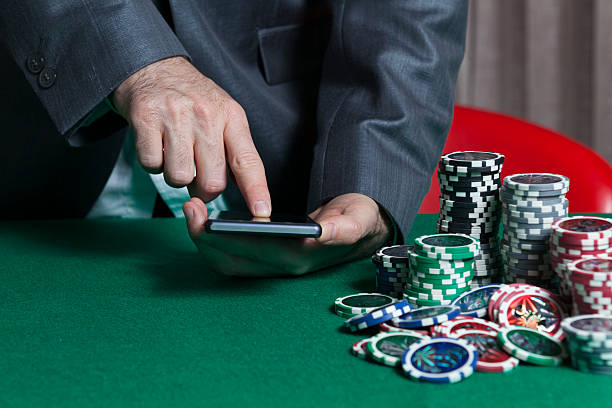
Online gambling has transformed the gambling landscape, providing players with unprecedented access to games and betting opportunities. Platforms like Golden Pharaoh Casino offer a vast selection of games, making it easy for individuals to engage in gambling from the comfort of their homes. This accessibility can sometimes lead to increased gambling frequency, as players are just a click away from their favorite games.
Moreover, online platforms often employ personalized marketing techniques, targeting players based on their behaviors and preferences. Understanding these influences can help players make more informed decisions about their gambling habits and promote responsible gaming practices.