

Understanding the basics of gambling for beginners
What is Gambling?
Gambling is the act of risking money or valuables on an event with an uncertain outcome, primarily for the purpose of winning additional money or valuables. This activity encompasses a wide range of games and bets, from traditional card games to modern video slots. Understanding gambling requires a grasp of both chance and strategy, as many games involve an element of skill alongside the randomness of luck. For instance, some people turn to online casinos real money platforms to experience the thrill of wagering real stakes.
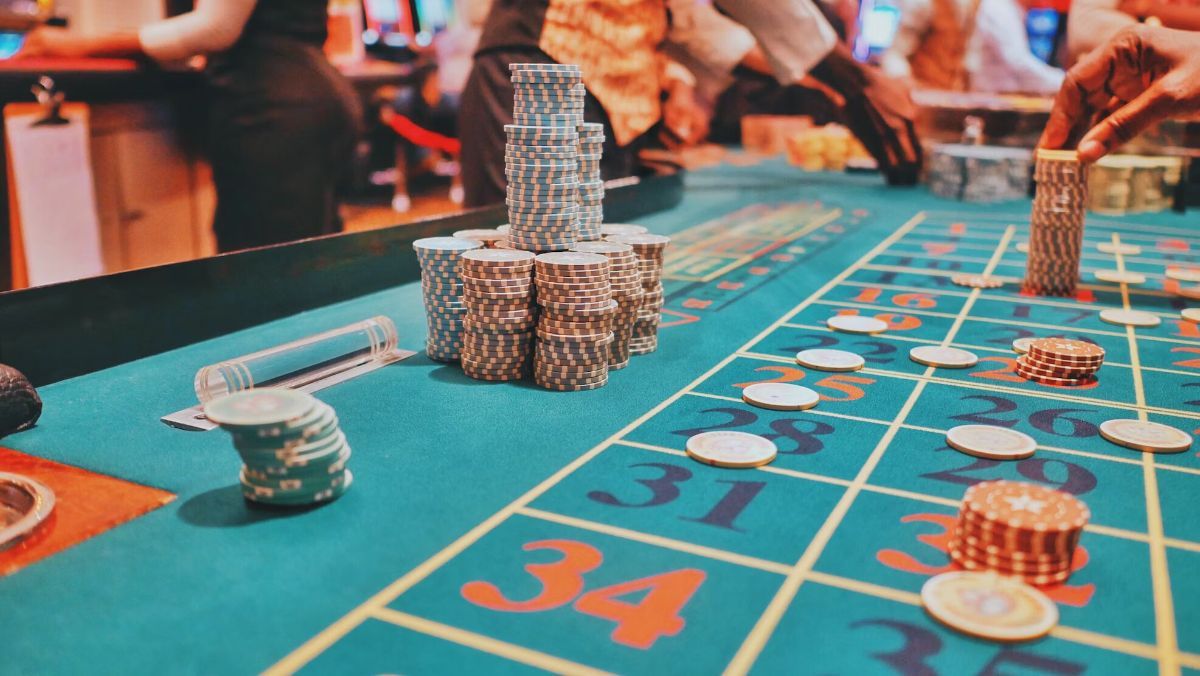
The allure of gambling is often tied to the thrill of taking risks and the potential for significant financial rewards. However, it is crucial for beginners to recognize that gambling can also lead to substantial losses. Therefore, understanding the risks involved is essential for anyone who wishes to engage in gambling, whether for entertainment or profit.
The Different Forms of Gambling
Gambling comes in many forms, including casino games, sports betting, lotteries, and online gambling. Each type has its unique rules, strategies, and social implications. Casino games, for instance, can range from slot machines to table games like poker and blackjack, where players compete against each other or the house. Sports betting involves wagering on the outcome of sporting events, and it has gained immense popularity due to the increase in online platforms.
Lotteries are another common form of gambling that usually involve drawing numbers for a prize. Despite their simplicity, they also contribute to a significant portion of gambling activities worldwide. Online gambling has revolutionized how people engage with games and bets, allowing access to various options anytime and anywhere, thereby changing the social dynamics of gambling.
The Social Aspects of Gambling
Gambling often brings people together, whether through social games with friends or large gatherings at casinos. It serves as a form of entertainment that encourages social interaction, bonding, and sometimes competition among players. This social aspect can enhance the enjoyment of gambling, as shared experiences and collective wins or losses foster camaraderie.
However, it’s essential to approach the social side of gambling with caution. While it can create fun and memorable moments, it can also lead to negative consequences if not monitored. Responsible gambling practices should be encouraged within social settings to ensure that the experience remains enjoyable and does not spiral into problematic behavior.
Responsible Gambling Practices
For beginners, understanding responsible gambling is crucial. This involves setting limits on how much time and money to spend, as well as recognizing when to take breaks. Gamblers should view their spending as entertainment costs rather than investments, ensuring that they do not wager more than they can afford to lose.
Additionally, being aware of personal triggers that may lead to excessive gambling is important. Utilizing tools like self-exclusion programs and support groups can help maintain a healthy relationship with gambling. Educating oneself on the risks and knowing when to stop are integral parts of a balanced approach to gambling.

Conclusion and Resources
Understanding the basics of gambling is the first step for beginners looking to engage in this exciting activity. By exploring its various forms, recognizing the social aspects, and practicing responsible gambling, newcomers can enjoy their experiences without negative consequences.
For those seeking further information or support, numerous resources are available to help individuals navigate the complexities of gambling. These resources provide insights into safe gambling practices and the necessary support for those who may need it. Prioritizing safety and awareness will enhance the overall gambling experience.